

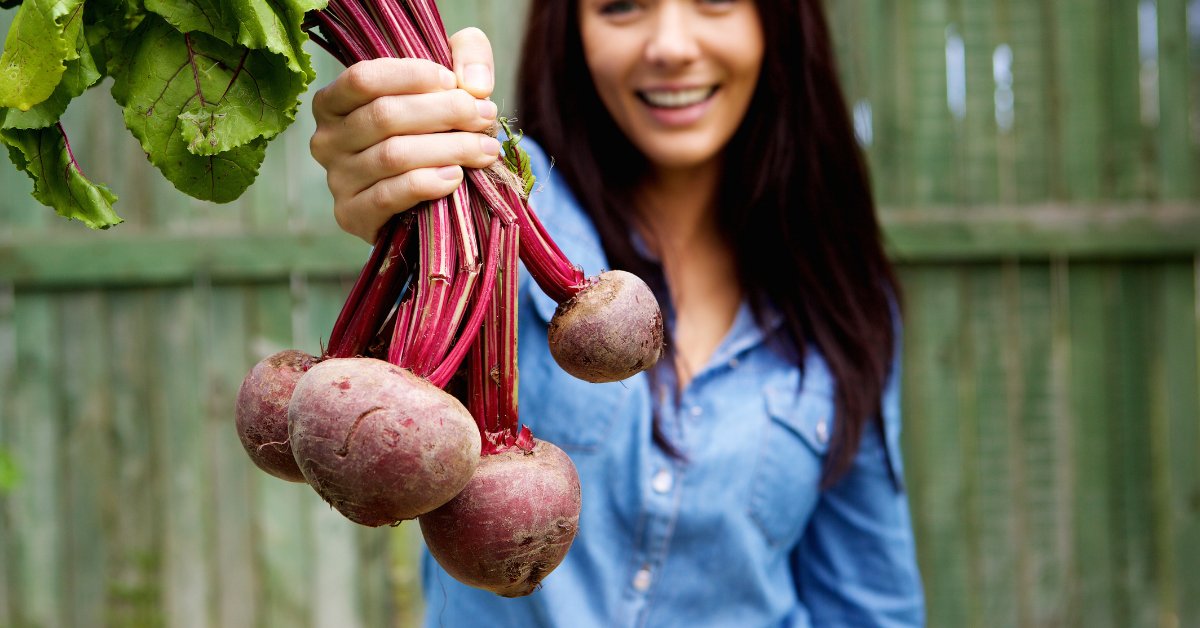
While goji berries and acai from distant lands are celebrated as superfoods, a tuber growing right on our doorstep is being intensively researched. Beetroot is deep red, earthy in taste, and rich in valuable ingredients. Its high nitrate content, in particular, as well as the unique plant compounds betaine and betanin, have attracted scientific interest.
In this article, you'll learn what makes beetroot so special, what nutrients it contains, how to best prepare it, and what you should consider when consuming it.
Table of Contents
The Most Important Things in Brief
Beetroot provides valuable micronutrients such as folic acid, potassium, iron, manganese, and secondary plant compounds.
Its high nitrate content, in particular, is the subject of numerous studies, especially in the areas of cardiovascular health and athletic performance.
Beetroot can be eaten raw, cooked, baked, or as a juice. Depending on the preparation, the nutrient content and digestibility can change.
Beetroot: Origin
Beetroot, also known as red beet, is a cultivated form of the common beet (Beta vulgaris) and belongs to the goosefoot family. It is closely related to: chard, sugar beet, and fodder beet.
The plant's roots go way back. It was already cultivated in the Mediterranean region in antiquity, though initially mainly for its leaves. In Germany, beetroot is particularly valued as a classic winter vegetable. It grows from early summer to late autumn, can be stored well, and thus fits perfectly into seasonal cuisine.

Beetroot Nutrients
Beetroot is a true nutritional powerhouse. Its composition is particularly interesting because it combines both classic micronutrients and unique plant compounds.
Secondary Plant Compounds: Betaine and Betanin
Beetroot contains two special compounds that distinguish it from many other vegetables:
- Betaine is an amino acid compound involved in the body's metabolism of the amino acid homocysteine. Studies investigate the link between betaine intake and various metabolic processes, particularly in liver and heart health.
- Betanin is the pigment that gives the tuber its characteristic red color. It belongs to the group of betalains and is being researched for its antioxidant properties (1).
| Nutrient | Amount per 100 g | % of daily requirement* |
|---|---|---|
| Energy | approx. 43 kcal | – |
| Water | approx. 88 g | – |
| Carbohydrates | approx. 9.6 g | – |
| of which sugar | approx. 6.8 g | – |
| Dietary fiber | approx. 2.8 g | approx. 9 % |
| Protein | approx. 1.6 g | – |
| Fat | approx. 0.2 g | – |
| Folic acid | approx. 109 µg | approx. 55 % |
| Vitamin C | approx. 5 mg | approx. 5 % |
| Potassium | approx. 325 mg | approx. 16 % |
| Magnesium | approx. 23 mg | approx. 6 % |
| Iron | approx. 0.8 mg | approx. 6 % |
| Manganese | approx. 0.3 mg | approx. 15 % |
| Nitrate | 100–250 mg (variable) | – |
| Betaine | approx. 130 mg | – |
Beetroot and Nitrate: What's behind it
Beetroot is one of the vegetables with a particularly high nitrate content. This often causes uncertainty because nitrate was long viewed critically. Today, however, a clearer distinction is made.
The source is particularly crucial: Nitrate from vegetables is classified differently than nitrate from highly processed foods and is even associated with potentially health-promoting properties in research (2).
How Beetroot Affects Your Body
Cardiovascular System ▼
One of the most important fields of research is the influence on cardiovascular health. Numerous studies have investigated how regular consumption of beetroot juice can affect blood pressure. The results indicate that the high nitrate content could play a positive role in vascular function and thus contribute to lowering blood pressure (3). Important: These effects have mainly been observed in studies with concentrated juice forms, not with occasional consumption of cooked beetroot.
Beetroot in Sports ▼
Beetroot is also a popular subject of study in sports research. Studies suggest that nitrate-rich foods can influence the oxygen efficiency of muscles (4). Many professional athletes therefore specifically rely on beetroot juice as part of their nutritional strategy.
Antioxidant Properties ▼
The betalains contained in beetroot are associated with antioxidant effects in studies. Such compounds are related to protection against oxidative stress, which plays a role in various physiological processes (5).
Respiratory Tract (COPD) ▼
In the context of nitrate-rich vegetables like beetroot, research is exploring whether nitric oxide formed from them can influence processes in the respiratory tract. Initial approaches are examining to what extent this could also play a role in diseases like COPD (6).
Cognitive Health ▼
Nitrates from vegetables are also being researched in the area of cognitive functions. The focus is on whether improved blood circulation through nitric oxide could support processes in the brain. These connections are the subject of current research (2).

Preparation: How to Get the Best Out of Beetroot
Beetroot is surprisingly versatile. Each preparation method has its own advantages and disadvantages, both in terms of taste and nutrient retention.
Enjoy Beetroot Raw ▼
Raw, beetroot fully unleashes its nutritional potential. Heat-sensitive vitamins like folate and vitamin C are fully preserved. Peeled and finely grated, it is a wonderful ingredient for salads. With apple, walnuts, a little olive oil, and lemon juice, a crunchy winter salad is created in no time.
Tip: It's best to wear disposable gloves when peeling, as betanin intensely stains hands and cutting boards.
Boil or Bake Beetroot ▼
When cooking, some water-soluble vitamins transfer into the cooking water. A gentler alternative is baking in the oven: Simply wrap the unpeeled bulbs in aluminum foil and bake at 180 degrees for about 60 minutes. This preserves the aroma and most of the nutrients. Afterward, the skin can be easily peeled off with your fingers.
When boiling, it is advisable to put the bulbs with their skin and a piece of the stem into the water. This prevents too many pigments and nutrients from bleeding out.
Juice Beetroot ▼
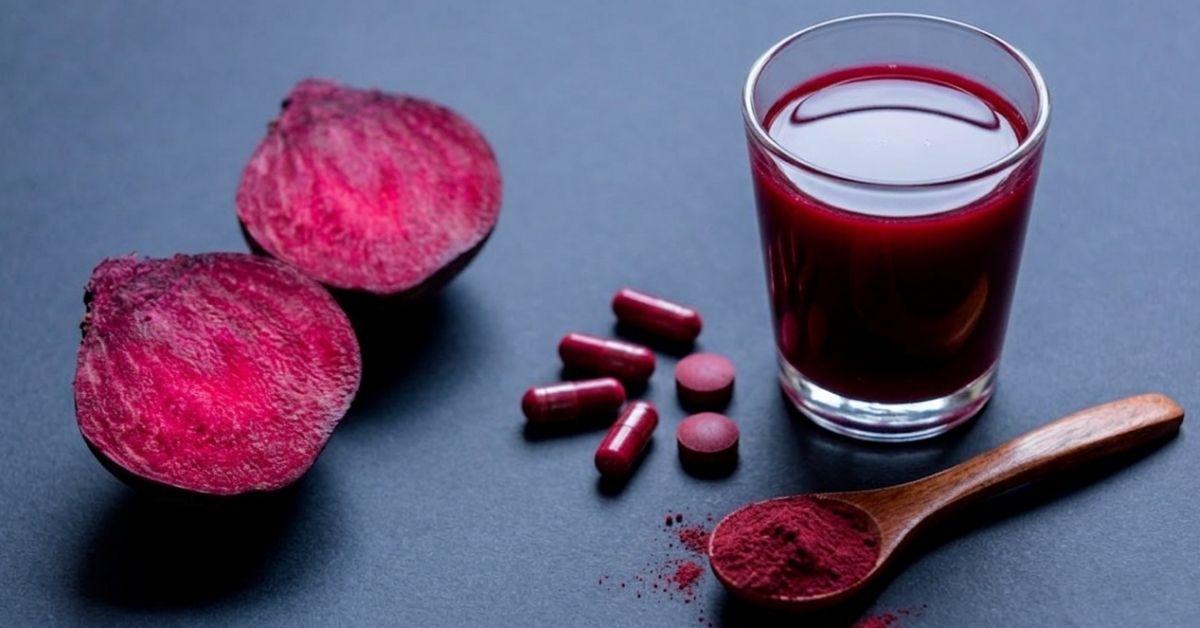
Freshly pressed beetroot juice is a concentrated form in which particularly many valuable ingredients can be absorbed in liquid form. A slow juicer is better than a classic centrifugal juicer, as it generates less heat and yields more juice.
Tip: Freshly pressed juice is very intense. Start with small amounts (50–100 ml) and combine it with apple, carrot, or ginger to soften the earthy taste. If you don't have time to juice regularly yourself, you can use high-quality juice concentrates. They not only taste milder but also have a reduced oxalic acid content, which offers an ideal alternative.

Caution with Oxalic Acid from Beetroot: What You Should Know
When discussing beetroot, the term "oxalic acid" always comes up sooner or later. Often, there are highly simplified statements. Sometimes the tuber is depicted as dangerous, sometimes as completely harmless. The truth, as is often the case, lies somewhere in between.
Oxalic acid is a naturally occurring organic acid that is formed in many plants as a secondary plant compound. For the plant, it serves, among other things, as protection against herbivores. However, in the body, it can form salts with cations such as sodium, magnesium, or calcium, which account for about 75% of all kidney stones (7).
Who Should Avoid Oxalic Acid?
For most healthy people, regular consumption of beetroot in normal amounts is unproblematic.
However, caution is advised for:
- Predisposition to kidney stones: Oxalic acid intake should generally be monitored here.
- Chronic kidney diseases: In cases of impaired kidney function, the excretion of oxalic acid may be compromised.
- Certain metabolic disorders such as primary hyperoxaluria.
- Very low-calcium diet: Calcium binds oxalic acid in the intestine; if it is missing, more oxalic acid is absorbed into the blood.
In these cases, individual clarification with a doctor or nutritionist is advisable. Blanket prohibitions are rarely effective, as it always depends on the total amount and the individual risk profile.

Fermenting beetroot for maximum effect
Fermentation is one of the oldest methods of preserving food. At the same time, it often changes the properties of a food so significantly that it almost becomes a new product. This is exactly what happens with beetroot. Fermentation makes it more digestible and valuable for many people.
What happens during lactic acid fermentation: During fermentation, lactic acid bacteria play the main role. They are naturally present in beetroot and begin to convert the sugar it contains into lactic acid. This lowers the pH value, and plant cell structures are broken down, ingredients are converted and new metabolic products are formed (7, 8).

Why fermentation can reduce oxalic acid content
A particularly relevant point is the effect on oxalic acid. Studies show that the oxalic acid content can be significantly reduced by lactic acid fermentation (8). They form enzymes that convert oxalic acid into other, more tolerable compounds.
What else changes through fermentation
- Nutrients become more available: By breaking down cell structures, minerals and secondary plant compounds such as betaine or betanin can be absorbed more easily.
- Better tolerability: Many find fermented beetroot more pleasant for the stomach because some of the "digestive work" has already been done by the bacteria.
- Milder taste: The typical earthy note recedes into the background and is balanced by a mild acidity.
- Extended shelf life: Properly fermented beetroot can be stored in the refrigerator for months without the need for traditional preservatives.
Our recommendation
Betanio PLUS is a high-quality organic beetroot juice concentrate that provides the valuable ingredients of beetroot in concentrated form, with 46 times less oxalic acid and a mild, balanced taste.
Buying and storing beetroot
When buying, it's worth taking a closer look: Fresh beetroot is firm, smooth and feels heavy for its size. Soft spots, cracks or dried-out ends are signs that it's no longer entirely fresh. If there are still greens, they should be crisp and not wilted. You can also use the leaves, similar to chard.
For storage: cool, dark and as dry as possible. Beetroot usually keeps for several weeks in the refrigerator's vegetable drawer. Remove the greens beforehand so that the root loses less moisture. If you want to store larger quantities, you can also pack them in sand and store them in a cool place. This way, they remain stable for a longer period.
Conclusion
Beetroot is much more than just a classic winter vegetable. With its unique profile of folate, potassium, manganese, high nitrate content and characteristic betalains, it is one of the most nutrient-rich local vegetables available.
Whether raw in a salad, baked in the oven, freshly juiced or fermented, each preparation method has its own advantages. For those who want to regularly consume the valuable ingredients in concentrated form, high-quality beetroot juice concentrates offer an everyday alternative to fresh beetroot. This way, beetroot becomes an integral part of a balanced diet.
Is beetroot really a superfood?
Beetroot is often referred to as a native superfood because it has a high nutrient density and provides both micronutrients and secondary plant compounds such as betaine and betanin. Its nitrate content, in particular, is the focus of scientific research.
What are the health benefits of beetroot?
Beetroot provides folic acid, potassium, and antioxidants, among other things. In research, it is primarily studied in connection with cardiovascular function, athletic performance, and oxidative stress.
How much beetroot should you eat daily?
There is no general recommendation. Usual amounts as part of a balanced diet are considered unproblematic for healthy people. For concentrated forms such as juice, it is often recommended to start with small amounts, 1 tablespoon.
Is the nitrate content in beetroot dangerous?
Nitrate from vegetables like beetroot is evaluated differently today than in the past. The source is crucial: plant-based nitrate is sometimes associated with positive effects in studies, particularly in the area of vascular function.
Can beetroot lower blood pressure?
Studies suggest that nitrate-rich foods like beetroot can influence vascular function. Beetroot juice, in particular, has been studied for its effects on blood pressure.
Is raw or cooked beetroot healthier?
Raw beetroot contains more heat-sensitive vitamins like folic acid. Cooking or baking can lead to some nutrient loss, but makes it more digestible. Both variants have their advantages.
Does beetroot contain oxalic acid and is that a problem?
Yes, beetroot contains oxalic acid. For healthy people, this is usually unproblematic. However, individuals prone to kidney stones or certain conditions should monitor their intake.
Is beetroot juice healthy?
Beetroot juice is a concentrated source of its ingredients, especially nitrate. In studies, it is often investigated in the context of endurance performance and vascular function.
What are the benefits of fermented beetroot?
Fermentation can improve digestibility and reduce oxalic acid content. It can also make nutrients more available and extend shelf life.
References for further reading
- Punia Bangar S, Sharma N, Sanwal N, Lorenzo JM, Sahu JK. Bioactive potential of beetroot (Beta vulgaris). Food Res Int 2022; 158:111556.
- Bondonno CP, Pokharel P, Erichsen DW, Zhong L, Schullehner J, Kyrø C et al. Source-specific nitrate intake and incident dementia in the Danish Diet, Cancer and Health Study. Alzheimers Dement 2025; 21(12):e70995.
- He Y, Liu J, Cai H, Zhang J, Yi J, Niu Y et al. Effect of inorganic nitrate supplementation on blood pressure in older adults: A systematic review and meta-analysis. Nitric Oxide 2021; 113-114:13–22.
- Esen O, Dobbin N, Callaghan MJ. The Effect of Dietary Nitrate on the Contractile Properties of Human Skeletal Muscle: A Systematic Review and Meta-Analysis. J Am Nutr Assoc 2023; 42(4):327–38.
- Olas B. The Cardioprotective Role of Nitrate-Rich Vegetables. Foods 2024; 13(5):691. Available at: https://www.mdpi.com/2304-8158/13/5/691.
- Chen M, Chang S, Xu Y, Guo H, Liu J. Dietary Beetroot Juice - Effects in Patients with COPD: A Review. Int J Chron Obstruct Pulmon Dis 2024; 19:1755–65.
- Soliman NR, Effat BAM, Mehanna NS, Tawfik NF, Ibrahim MK. Activity of probiotics from food origin for oxalate degradation. Arch Microbiol 2021; 203(8):5017–28.
📖 Mehr im Cellavent Rote-Bete-Ratgeber
Wir haben einen umfassenden Ratgeber zu diesem Thema erstellt – mit wissenschaftlichem Hintergrund, EU-Health-Claim-Status, Vergleichstabelle aller Cellavent-Varianten und FAQ.

Leave a comment
This site is protected by hCaptcha and the hCaptcha Privacy Policy and Terms of Service apply.