

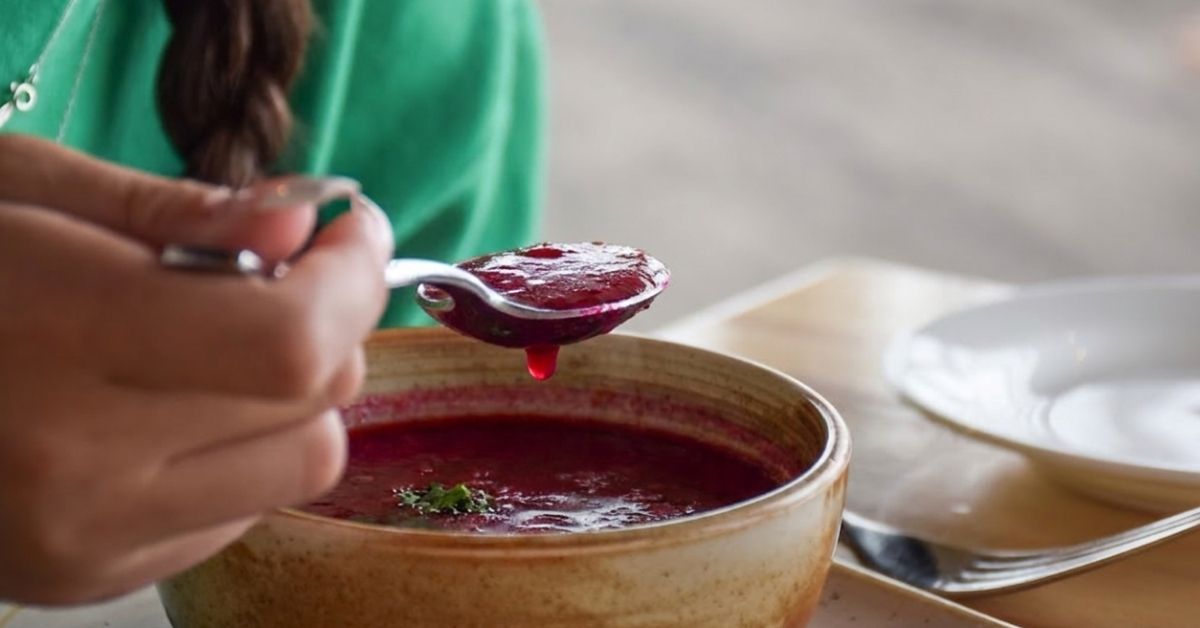
Beetroot is one of the most nutrient-rich local vegetables, yet it is often underestimated. In addition to minerals like potassium and iron, it contains special plant compounds such as betaine, betanin, and natural nitrates, which make it scientifically interesting. However, it's not just what's in the root that matters, but how you prepare it. Depending on the processing method, the body's ability to utilize the ingredients can vary significantly.
In this article, you'll discover which preparation methods are effective, what you should pay attention to, and you'll get three simple recipes to easily integrate beetroot into your daily life.
The most important points in brief
Beetroot provides valuable plant compounds such as betaine, betanin, and nitrates
The preparation determines how well your body can absorb the substances
Beetroot soup is a good way to consume beetroot daily
Fermented juice concentrate is, however, better tolerated and contains 46 times less oxalic acid
What makes beetroot so special
Beetroot (Beta vulgaris) is more than just a traditional vegetable. Three plant compounds make it particularly exciting:
- Betaine: A compound involved in metabolic processes and cell protection
- Betanin: The characteristic red pigment from the betalain group, which is attributed with antioxidant properties (1)
- Natural nitrate: Is converted in the body to nitric oxide, a messenger substance involved in regulating blood vessel dilation
This exact combination is why beetroot repeatedly appears in research: studies investigate its effects on blood pressure (2), athletic endurance (3), and protection against oxidative stress (4). Learn more about the effects of beetroot here.
Note: To benefit from the health advantages of beetroot, the preparation method or form of administration plays an important role. In the following, we will discuss the most common ones and show you how to get the most benefits from beetroot.

Eating beetroot raw: advantages and limitations
Eating raw beetroot has a clear advantage: many delicate plant compounds remain unchanged. These include micronutrients such as vitamin C, folic acid, and some of the natural nitrates, which can partially be lost when heated. Overall, the less processed it is, the closer the root remains to its original nutrient profile.
How to effectively use raw beetroot:
- Finely grated in a salad, which breaks down cell structures and makes the ingredients more accessible
- In thin slices as carpaccio (e.g., with a vegetable peeler)
- In a smoothie, e.g., with apple and ginger for more freshness
- As freshly squeezed juice, ideally consumed immediately after preparation
Despite the advantages, there are also points you should consider. Raw beetroot contains natural amounts of oxalic acid. This can bind minerals like calcium in the body and, in high quantities, increase the risk of kidney stone formation (5). For most people, this is unproblematic but can be relevant for those prone to kidney stones.
Our tip: If you want to try raw beetroot, it's best to start with small portions and combine it with easily digestible foods like yogurt, cheese, or sesame. This way, the oxalic acid in the food can be partially buffered.
Our recommendation
Cooking beetroot
Cooking is the classic way to prepare beetroot and, in many cases, also the variety that is well tolerated. A significant advantage: some of the oxalic acid transfers into the water during cooking, thus reducing its content. For people who eat beetroot regularly, this can be a significant plus.
How to cook it perfectly:
- Cook the whole root with skin and a bit of stem, which helps preserve flavor and color
- Start in cold water and simmer gently for about 40–60 minutes, depending on size
- Test with a knife: if it glides in easily, the beetroot is ready
- After cooling, the skin can be easily rubbed or peeled off
Alternative preparations:
- Oven: Baked in foil at approx. 180 °C for 60–90 minutes, results in an intense, slightly sweet taste
- Steamer: Gentle method, usually 30–40 minutes
- Pressure cooker: Very time-saving, about 15–20 minutes
Note: However, some heat-sensitive substances like vitamins and polyphenols are also partially lost during cooking. On the other hand, the root is often better tolerated and easier to digest.

Beetroot juice
Beetroot juice is one of the most popular ways to consume the root quickly and easily. The ingredients such as nitrate, betanin, and betaine are already in dissolved form and can be well absorbed by the body.
Freshly squeezed juice is best, as it alters the sensitive plant compounds the least. It can also be easily combined with other ingredients like apple, carrot, or ginger to enhance the flavor.
Important points for beetroot juice:
- The root's fiber is no longer present
- Fresh juice has a short shelf life
- Natural sugar remains in concentrated liquid form
- Plant compounds like nitrate generally remain well available

Benefits of beetroot juice concentrate
When it comes to even more targeted use of ingredients, beetroot juice concentrate comes into play. Here, a large part of the water is extracted from the juice, and the valuable components are retained in a significantly smaller volume.
This offers several advantages:
- High nutrient density in a small volume
- Simple and practical daily dosing
- Longer shelf life compared to fresh juice
Fermented beetroot for optimal effect
During lactic acid fermentation, beetroot is not only preserved but actively transformed. Lactic acid bacteria begin to break down plant structures and alter certain components. This creates a product whose composition differs significantly from fresh juice or classic concentrates.
Benefits of fermented beetroot:
- Significantly reduced oxalic acid (up to 46 times less oxalic acid)
- Broken down cell structures for better availability of ingredients
- Additionally contains metabolically active breakdown products from fermentation
- Compact, easily absorbable nutrient form without large quantities
- Mild, pleasant taste
- Longer shelf life due to natural preservation
Our recommendation
Betanio PLUS is a high-quality organic beetroot juice concentrate that provides the valuable ingredients of beetroot in concentrated form, with 46 times less oxalic acid and a mild, balanced taste.
3 simple beetroot recipes
Fermented Juice Concentrate as a Drink

When it comes to incorporating beetroot regularly and effortlessly, a fermented juice concentrate is the most practical solution. It combines high nutrient density with easy everyday use.
Ingredients for 1 glass:
- 1 tbsp Betanio PLUS
- 250 ml water
- Optional: ice cubes and fresh mint
Preparation:
- Pour concentrate into a glass
- Fill with water and stir briefly
- Optionally garnish with ice and mint
Raw Beetroot Salad with Apple

This variation uses the raw form of the tuber, largely preserving its original nutrient profile. At the same time, the combination with other ingredients ensures a balance of flavors and better digestibility.
Ingredients for 2 servings:
- 2 raw beetroots
- 1 tart apple
- 50 g walnuts
- 2 spring onions
- 2 tbsp olive oil
- 1 tbsp apple cider vinegar
- 1 tsp honey or agave syrup, 1 tsp mustard
- Salt, pepper
Preparation:
- Finely grate beetroot and apple
- Slice spring onions into rings
- Roughly chop and briefly toast walnuts
- Prepare dressing and mix everything
- Let sit for 10 minutes
Beetroot Soup with White Cabbage

The cooked variation is particularly suitable for good digestibility and everyday integration of larger quantities. The combination of various vegetables creates a balanced, filling meal.
Ingredients for 4 servings:
- 500 g beetroot
- 300 g white cabbage
- 250 g potatoes
- 1 onion, 2 garlic cloves
- 1 tbsp olive oil
- 1 l vegetable broth
- 1 tbsp lemon juice
- 1 tsp caraway seeds
- Salt, pepper
- Optional: sour cream or vegan alternative and dill
Preparation:
- Sauté onion and garlic
- Prepare vegetables and add them
- Pour in broth and simmer for 25–30 minutes
- Optionally partially or completely blend
- Season to taste and serve
Conclusion
Beetroot is one of the most fascinating vegetables of our time, not least because of its nitrate content and bioactive ingredients such as betanin, betaine, and polyphenols. Those who want to benefit from this special nutrient matrix should consciously choose the form of administration. While powders and capsules are practical for everyday use, they often do not reach the quantities considered in scientific studies.
A particularly well-thought-out solution is beetroot juice concentrate like Betanio PLUS. It is gently processed and fermented. It therefore combines high nutrient density with easy application, good shelf life, and offers a reduced oxalic acid content with a mild taste.
Is eating raw beetroot healthy?
Yes, eating raw beetroot is generally possible. Many natural plant compounds are retained. However, raw beetroot contains oxalic acid, which can play a role for sensitive individuals.
How can I eat raw beetroot?
Raw beetroot can be eaten grated in salads, as carpaccio, in smoothies, or as freshly squeezed juice. It's important to prepare it finely to make it more digestible.
What is the best way to enjoy beetroot salad?
A classic beetroot salad is often combined with apple, walnuts, and a slightly acidic dressing. This provides a balanced taste of sweetness, acidity, and earthiness.
How long do you have to cook beetroot?
Cooking beetroot takes about 40–60 minutes, depending on its size. It's ready when a knife easily glides into the bulb.
Is beetroot soup healthy?
Beetroot soup is a good way to incorporate this vegetable into your daily diet in a digestible and satisfying way. Cooking makes it easier to digest.
What is the best way to prepare beetroot?
The best preparation depends on the goal: raw for original ingredients, cooked for better tolerability, and fermented juice concentrate for maximum everyday usability.
What are the benefits of fermented beetroot?
Fermentation can improve tolerability and reduce oxalic acid content. Additionally, nutrients can become more available, and shelf life is extended.
References for further reading
- Punia Bangar S, Sharma N, Sanwal N, Lorenzo JM, Sahu JK. Bioactive potential of beetroot (Beta vulgaris). Food Res Int 2022; 158:111556.
- He Y, Liu J, Cai H, Zhang J, Yi J, Niu Y et al. Effect of inorganic nitrate supplementation on blood pressure in older adults: A systematic review and meta-analysis. Nitric Oxide 2021; 113-114:13–22.
- Esen O, Dobbin N, Callaghan MJ. The Effect of Dietary Nitrate on the Contractile Properties of Human Skeletal Muscle: A Systematic Review and Meta-Analysis. J Am Nutr Assoc 2023; 42(4):327–38.
- Olas B. The Cardioprotective Role of Nitrate-Rich Vegetables. Foods 2024; 13(5):691. Available at: https://www.mdpi.com/2304-8158/13/5/691.
- Soliman NR, Effat BAM, Mehanna NS, Tawfik NF, Ibrahim MK. Activity of probiotics from food origin for oxalate degradation. Arch Microbiol 2021; 203(8):5017–28.
📖 Mehr im Cellavent Rote-Bete-Ratgeber
Wir haben einen umfassenden Ratgeber zu diesem Thema erstellt – mit wissenschaftlichem Hintergrund, EU-Health-Claim-Status, Vergleichstabelle aller Cellavent-Varianten und FAQ.
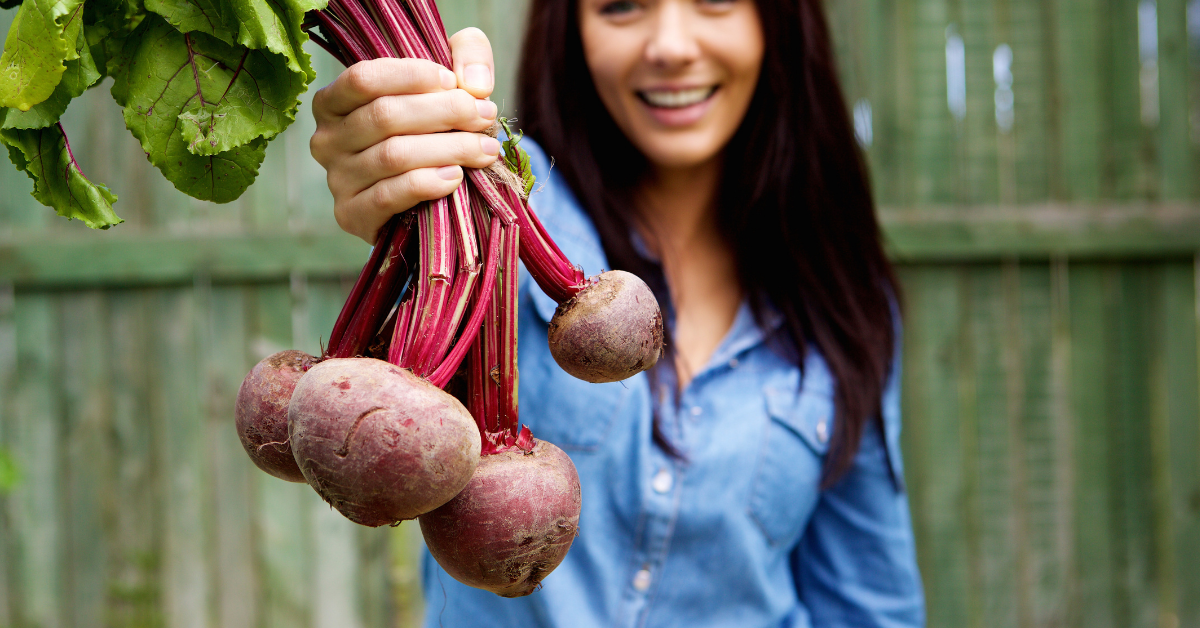


Leave a comment
This site is protected by hCaptcha and the hCaptcha Privacy Policy and Terms of Service apply.