


Eating vegan for a month – whether out of curiosity, for health reasons, or out of conviction: Veganuary offers the ideal opportunity to try out a plant-based diet in a relaxed way. But even before it really gets started, questions often arise. What should I eat for breakfast? Will I get enough protein? And which nutrients should I pay particular attention to?
The good news: A plant-based diet is easier than ever to integrate into everyday life. In this guide, you'll find the most important tips for a successful Veganuary. You'll learn what to consider when choosing foods, how to meet your nutritional needs, and simple strategies to keep you feeling well-nourished and energized all month long.
Table of contents
The most important points in brief
Discover Veganuary : A month to try plant-based nutrition and discover new recipes.
Variety instead of deprivation : A vegan diet opens up culinary possibilities and can positively change eating habits in the long term.
Pay attention to a balanced diet : Ensure variety, combine protein sources, healthy fats and keep an eye on important nutrients such as vitamin B12.
Veganuary: More than just a diet trend
Veganuary is a combination of "vegan" and "January" and represents the idea of eating a plant-based diet for a month to learn about veganism. The initiative was launched in the UK in 2014 and has since grown into a global movement with millions of participants each year.
What's special about Veganuary: It's not about a long-term commitment, but about consciously trying things out. A clearly defined period in which you discover new foods, test recipes, and find out without pressure how well a plant-based diet fits into your everyday life.

That's why January is the perfect time
January, more than almost any other month, symbolizes new beginnings and good intentions : eating healthier, living more consciously, developing new routines. Veganuary captures this spirit of optimism and gives it a clear structure – 31 days, a manageable goal, and a global community starting simultaneously.
Even in everyday life, it's clear how established Veganuary has become. Supermarkets specifically expand their vegan ranges in January, restaurants offer new plant-based dishes, and vegan products are particularly prominent, often even more attractively priced. This widespread support makes getting started noticeably easier: You can find plant-based options not only in organic shops, but almost everywhere.
Many participants find that what begins as a New Year's resolution and a month-long experiment often has an effect that lasts beyond January. New favorite recipes become part of everyday life, and meat consumption decreases in the long term. For many, Veganuary is therefore the first step towards a permanently more conscious diet.
Why so many people participate in Veganuary
The reasons for participating in Veganuary are as individual as the people themselves. Often, several motives play a role simultaneously:
- Environment and climate protection : Animal production is associated with high CO₂ emissions and significant water consumption. Studies show that even one month of a plant-based diet can measurably improve one's personal carbon footprint (1).
- Health considerations: Scientific studies suggest that a balanced, plant-based diet may be associated with a lower risk of various diseases. The link between high meat consumption and an increased risk of colorectal cancer and cardiovascular health is particularly well-studied (2, 3).
- Culinary diversity: Veganuary opens the door to foods that many people were previously unaware of or rarely used. Suddenly, you discover black beluga lentils instead of just red lentils, try cashew butter as a creamy sauce, test tempeh (fermented soybeans with a nutty flavor), or cook with buckwheat, millet, or amaranth for the first time instead of always just rice and pasta. This culinary diversity often lasts well beyond January – because you realize how varied a plant-based diet can be.

Nutrient-rich, not just plant-based
A common misconception : Veganism primarily means deprivation. In fact, Veganuary is about deliberately integrating nutrient-rich plant-based foods and ensuring a balanced intake of macronutrients, vitamins, and minerals.
The crucial difference lies in the conscious addition: Animal products are not simply omitted, but replaced by nutritionally valuable alternatives.
The 5 building blocks of a balanced vegan diet
To successfully and easily implement Veganuary, you should keep these five nutrient groups in mind. They form the scientific basis for energy, satiety, and long-term well-being.
1. Protein: How to meet your needs without meat
Proteins are essential for building and maintaining muscle mass, skin, and hair. Furthermore, they are important components of enzymes, hormones, and transport molecules, and are therefore involved in numerous metabolic processes and are important for the immune system (2).
The German Nutrition Society recommends 0.8g of protein per kilogram of body weight daily. With physical activity or in old age, the requirement increases to 1.2-2g per kilogram (3). Specifically, this means: If you weigh 70 kg, you need 56-70g of protein daily. You can achieve this amount, for example, with:
- 100g cooked lentils → 25g protein
- 60g rolled oats → 8g protein
- 30g almonds → 6g protein
- 150g tofu → 19g protein
- 2 tbsp peanut butter → 8g protein
Practical implementation : Incorporate hemp seeds or flax seeds into your porridge, use nuts as a snack, and prepare larger quantities of legumes. The key is to combine different plant-based protein sources throughout the day – this optimizes the biological value and ensures that your body receives all essential amino acids.

2. Healthy fats: Why you shouldn't leave them out
Fats should by no means be avoided. They enable the absorption of fat-soluble vitamins (A, D, E, K), are components of cell membranes, and are important for brain function. Furthermore, they slow gastric emptying and thus promote prolonged satiety (4, 5).
High-quality fat sources in a vegan diet:
- Extra virgin olive oil (ideally rich in polyphenols)
- Nuts: Walnuts, almonds, cashews
- avocado
- Seeds: Flax seeds, chia seeds, hemp seeds
- Nut butter varieties
Critical nutrient: Omega-3 fatty acids
Flaxseeds, walnuts, and chia seeds contain omega-3 fatty acids—but in a form that your body has to convert. These plant sources provide ALA (alpha-linolenic acid), while your body actually needs EPA and DHA—the active forms that work in your cells. The problem is that while your body can convert ALA into EPA and DHA, it does so very inefficiently. Of 100 g of ALA, only about 4–15 g are converted into EPA or DHA. This conversion efficiency varies from person to person, and therefore ALA is often insufficient for optimal intake (6).
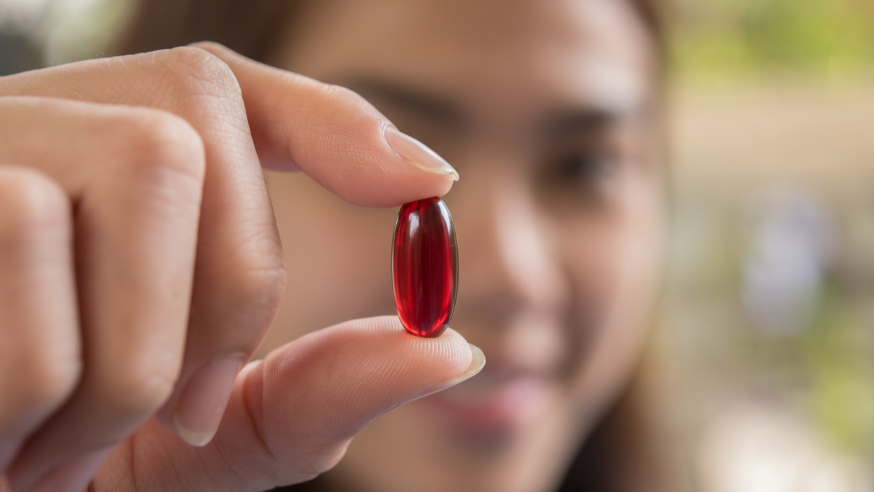
The solution: Vegan omega-3 supplements made from algae oil deliver EPA and DHA directly – without inefficient conversion. Algae naturally produce these forms (incidentally, fish also get their omega-3 from algae).
Adequate omega-3 fatty acid intake is important even beyond the Veganuary regime. Obtaining these fatty acids through fish presents its own set of challenges – microplastics, heavy metals, and wildly fluctuating omega-3 content depending on origin and aquaculture conditions. Algae oil avoids these problems and provides your body with a reliable and safe supply.
3. Complex carbohydrates: The best plant-based energy sources
Carbohydrates are your main source of energy. But not all carbohydrates work the same: Complex carbohydrates (like those in whole-grain products) cause your blood sugar to rise slowly and steadily. Simple carbohydrates (like white bread or sugar), on the other hand, spike into the bloodstream and then crash just as quickly. The result: cravings and energy crashes (7).
Rely on these energy sources:
- Whole grain products: whole grain bread, whole grain pasta, brown rice
- Oatmeal and quinoa
- Sweet potatoes and potatoes
- Legumes (additional protein source)
The key advantage: These foods are rich in fiber. This not only promotes healthy digestion but also helps you feel full longer after eating.
4. Vegetables and fruit: Nutrients you need every day
You may be familiar with the German Nutrition Society's "5 a day" recommendation – this refers to five portions of fruits and vegetables daily (about a handful per portion). This recommendation is based on large-scale nutritional studies that show: the more fruits and vegetables you eat, the better your health. They provide vitamins, minerals, antioxidants, and phytochemicals that protect and support your body in a variety of ways (8).
Particularly nutrient-rich are :
- Green leafy vegetables (spinach, kale, chard) → rich in calcium, iron and folic acid
- Berries and cherries → high content of antioxidants (anthocyanins, polyphenols)
- Cruciferous vegetables (broccoli, cauliflower, Brussels sprouts) → contain glucosinolates with potentially health-promoting properties
- Vibrantly colored vegetables (peppers, carrots, beets) → Carotenoids and other bioactive substances
Practical tip: The more colorful your plate, the better. Each color represents different plant compounds with their own health benefits. Red bell peppers provide different protective substances than green broccoli, orange carrots different ones than purple beets. Aim for at least three different colors per main meal – this automatically ensures that you consume a wide range of vitamins and phytochemicals.

5. Fermented foods: What they can do for your gut
Gut health has been shown to influence immune function, nutrient absorption, and even neurological processes (gut-brain axis). Fermented foods provide probiotic bacterial strains that can positively influence the composition of the gut microbiota (2, 7).
Recommended fermented foods:
- sauerkraut
- Kimchi
- Tempeh
- Kombucha
- Soy yogurt
Important: Start with moderate amounts. A sudden increase in fermented foods can temporarily cause bloating as the gut flora needs to adapt. Gradual introduction over several days is recommended.

These are the nutrients you should keep an eye on.
A month of Veganuary won't lead to nutritional deficiencies – the timeframe is simply too short. However, those who familiarize themselves with critical nutrients early on lay the foundation for a healthy diet and optimal energy levels in the long term.
Vitamin B12 – When it makes sense to supplement
Vitamin B12 is the only nutrient for which a vegan diet cannot function sustainably without supplementation in the long term. However, even beyond purely plant-based diets, vitamin B12 deficiency is more common than one might assume. Older people are particularly affected, as intestinal absorption decreases with age. Individuals with digestive problems or chronic gastrointestinal diseases, as well as those taking certain medications, often cannot absorb sufficient amounts of B12.
As a general rule: You cannot develop a vitamin B12 deficiency in one month of Veganuary. Your body stores B12 in the liver, and these reserves last for several years (9). However, don't wait until the stores are depleted. Vitamin B12 deficiency develops gradually. The first symptoms, such as fatigue and difficulty concentrating, are often not associated with it. By the time neurological symptoms occur, irreversible nerve damage may already have taken place.
What vitamin B12 does in your body :
- Contributes to normal energy metabolism
- Supports the normal function of the nervous system
- Contributes to the reduction of tiredness and fatigue
- Contributes to normal red blood cell formation (2)
Why B12 is lacking in a vegan diet: Vitamin B12 is produced by microorganisms and accumulates in animal products. Plant-based foods do not contain reliably usable B12. Algae, fermented products, or fortified foods do not adequately meet the requirement (10, 11).
Tip : Prevent a vitamin B12 deficiency in time! Liquid preparations are considered ideal because they are absorbed through the oral mucosa and show particularly good bioavailability.

Vitamin C – Booster for iron absorption
You probably know vitamin C as an immune system supporter. But in a vegan diet, it has a second, often underestimated function: It dramatically improves iron absorption from plant-based foods (12).
Why is this important? Plant-based iron (non-heme iron) is absorbed by the body much less efficiently than animal-based iron (heme iron). Vitamin C can significantly increase absorption and thus ensure an adequate supply.
Good plant-based sources of vitamin C:
- Peppers, broccoli, Brussels sprouts
- Citrus fruits, kiwi, berries
- Sea buckthorn, rosehips
What many people don't know: Vitamin C is abundant in plant-based foods, but it is very sensitive. The vitamin C content decreases significantly due to prolonged storage, heat during cooking, light, and oxygen (2). Supplementation can be beneficial if needed – especially if you eat iron-rich plant-based foods and want to optimize absorption, or during the winter months to support your immune system.
Zinc – the underestimated nutrient
Zinc often receives less attention than vitamin B12, but it is also critical in a vegan diet. While it is present in plant-based foods (oatmeal, nuts, legumes, pumpkin seeds), the problem lies in its bioavailability.
What does bioavailability mean? Not everything in a food actually reaches your body. Plant-based foods contain phytic acid, which binds zinc and blocks its absorption in the intestines. Your body absorbs zinc from animal products much more efficiently.
What do you need zinc for ?
- Normal function of the immune system
- Macronutrient metabolism
- Maintaining normal skin, hair and nails
- Cell division and DNA synthesis (13)


Leave a comment
This site is protected by hCaptcha and the hCaptcha Privacy Policy and Terms of Service apply.