

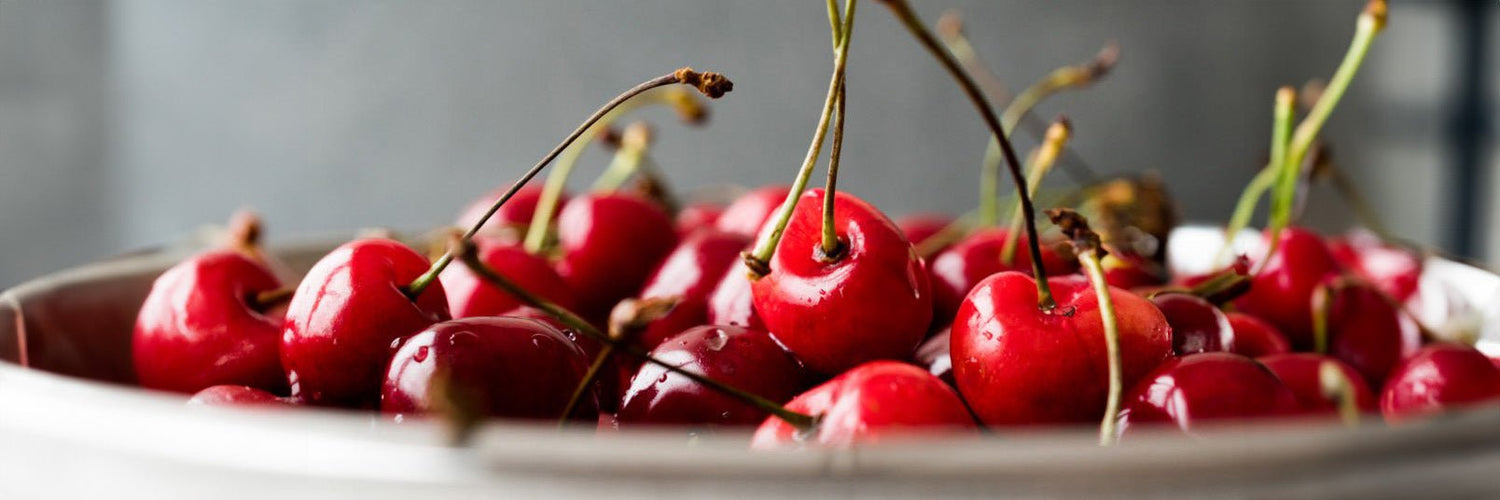
Antioxidants play a crucial role in protecting our cells from oxidative stress and contribute significantly to our health. Sour cherries , especially the Montmorency variety, are a particularly valuable source of these protective compounds. This article explains why sour cherries are so rich in antioxidants, what benefits they offer, and how to ideally incorporate them into your diet.
The most important points in brief
Antioxidants are compounds that protect cells from oxidative stress and thus contribute to maintaining health.
The most common natural antioxidants include vitamins and polyphenols.
Sour cherries are fruits with a particularly high amount of antioxidants.
The Montmorency sour cherry is particularly valuable because it contains the highest levels of polyphenols and melatonin.
What are antioxidants?
Antioxidants play a crucial role in protecting cells from oxidative damage . The term "antioxidant" literally means "against oxidation." Antioxidants block the oxidation process by neutralizing free radicals. They can donate electrons to free radicals, thus interrupting their destructive chain reactions. Although they themselves become radicals after donating electrons, they are stable enough not to cause further damage.
The human body has a complex antioxidant defense system that produces endogenous antioxidants and is also able to extract antioxidant compounds from food. These compounds are found in a wide variety of foods, including fruits, vegetables, seeds, nuts, and oils. Some of the best-known antioxidants include vitamin E, vitamin C, beta-carotene, polyphenols, and trace elements such as selenium . In addition to natural antioxidants, there are also synthetic ones. These are frequently used in foods to extend shelf life and prevent browning. The most commonly used synthetic antioxidants are butylhydroxytoluene (BHT) and butylhydroxyanisole (BHA). However, in excessive amounts, synthetic antioxidants can potentially have harmful effects (1).
What are oxidants?
The most common oxidants in the human body are so-called free radicals. These are atoms, molecules, or ions that are unstable and reactive to chemical reactions due to unpaired electrons. An unpaired electron in free radicals causes them to accept electrons from other substances in an attempt to stabilize themselves. However, this process generates another free radical, resulting in a chain reaction. Free radicals can originate from oxygen, nitrogen, and sulfur molecules. These molecules belong to a group of compounds known as reactive oxygen species (ROS) (1).
Excessive amounts of reactive oxygen species (ROS) can cause oxidative stress , which can damage cells. ROS attack nucleic acids, proteins, and fatty acids. Under normal conditions, the body can keep ROS levels low through enzymes to maintain cellular balance. However, under stress or impaired cell function, ROS levels rise , which can lead to significant damage. If oxidative stress persists, it can cause various ailments and diseases. Factors that promote oxidative stress include poor diet and smoking (1, 2).
What are polyphenols?
Polyphenols are secondary plant compounds that occur naturally in fruits, vegetables, and grains. They are divided into complex groups with over 10,000 substances, depending on the number of their ring structures and hydroxyl groups. Plants produce polyphenols to protect themselves from harmful factors such as free radicals, UV radiation, and pests.
Previously, polyphenols were considered insignificant for health. However, in recent years, interest in the study of phenolic compounds has increased due to their association with antioxidant properties (3).
Polyphenols are classified into four major groups: flavonoids, stilbenes, phenolic acids, and lignans , which form the basis for further subdivision. Flavonoids are the most frequently studied group and can be divided into various subgroups: flavan-3-ols, flavonols, isoflavones, flavanones, and anthocyanins (4).
Fig. 1: Classification of polyphenols (4)

What antioxidants are contained in sour cherries?
Sour cherries are particularly rich in antioxidants. In particular, they contain a large amount of anthocyanins . This group of polyphenols is responsible for the red and blue coloration of many fruits and vegetables. To date , more than 700 different anthocyanin structures have been identified in plants (5).
Sour cherries contain the following polyphenols: anthocyanins such as cyanidin-3-glucoside, cyanidin-3-rutinoside, cyanidin-3-sophoroside, pelargonidin-3-glucoside, pelargonidin-3-rutinoside, and 3-glucoside, peonidin-3-rutinoside. Phenolic acids include hydroxycinnamic acids such as neochlorogenic acid and p-coumaroylquinic acid, as well as flavonols and flavan-3-ols such as catechin, epicatechin, quercetin-3-glucoside, quercetin-3-rutinoside, and kaempferol-3-rutinoside.
In addition to polyphenols, sour cherries contain numerous vitamins, which are also known for their antioxidant effects. These include vitamin C, vitamin E, and beta-carotene (6).
A special characteristic of sour cherries is that they contain the antioxidant melatonin, more so than almost any other fruit. Melatonin is a hormone produced by the body that regulates the sleep-wake cycle and has also been found in plants. There , melatonin acts as a free radical scavenger and is involved in photoperiodism . This term describes the dependence of plant metabolism on the duration of sunlight. Consuming sour cherries can therefore increase the body's own melatonin levels and support its hormonal functions (7).

Are sour cherries a good source of antioxidants?
Studies have also shown that certain polyphenols, particularly anthocyanins and hydroxycinnamic acids, exhibit stronger antioxidant activity in sour cherries than comparable compounds in other fruits. Compared to berries such as blackberries, raspberries, blueberries, and strawberries, the polyphenols in sour cherries show a significantly stronger antioxidant effect.
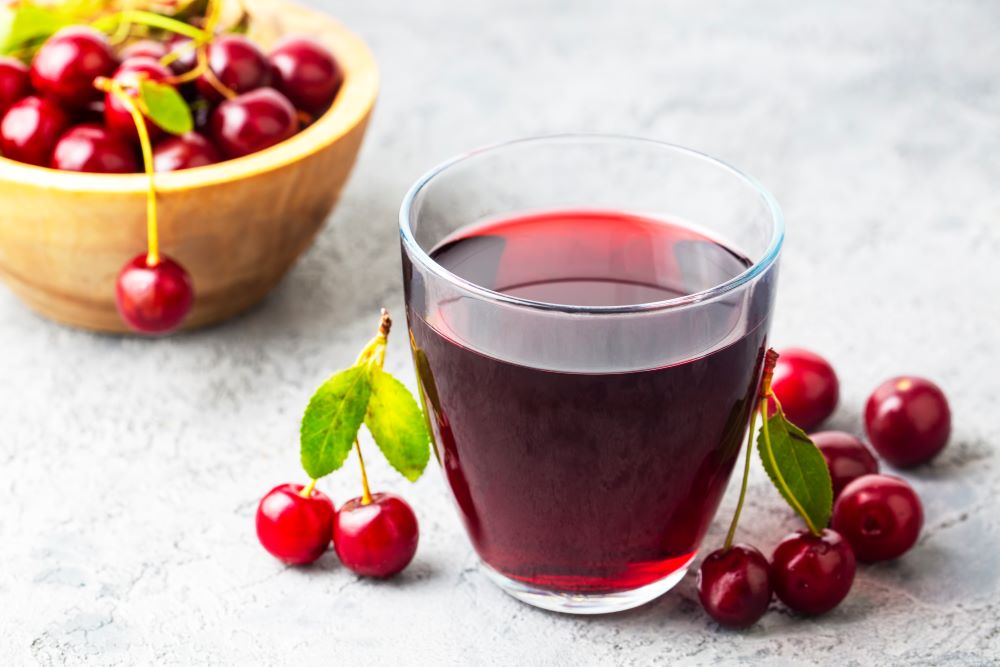
It should also be noted that sour cherries, due to their acidic taste, are usually consumed processed compared to sweet cherries. They are available, for example, in the form of powder, juice or juice concentrate, preserved in jars, or frozen. This offers the advantage that sour cherries can be consumed not only seasonally but also year-round . Most of the anthocyanins are retained even after processing. However, products to which sugar has been added contain lower amounts of polyphenols (6).
Sour cherry juice concentrates and capsules are among the products with the highest nutrient content. Juice concentrates, in particular, are closest to the original form of the fruit and contain the majority of the original spectrum of phytochemicals . This was demonstrated in a study comparing various sour cherry products. Sour cherry juice contained the highest amount of antioxidants compared to frozen, canned, and dried sour cherries (9).
Which sour cherry variety has the most antioxidants?
Today, 74 varieties of sour cherries are known , whose polyphenol content varies depending on the variety (10). The Montmorency sour cherry is particularly noteworthy:
- Montmorency tart cherry : 4.07 mg polyphenols per gram, 13.46 ng melatonin per gram.
- Royal Ann : 2.29 mg polyphenols per gram.
- Balaton sour cherry : 2.06 ng melatonin per gram.
- Rainier cherry : 0.75 mg polyphenols per gram.
The total polyphenol content also varies depending on the ripeness of the fruit. The riper the sour cherries are, the redder they become, and the corresponding increase in polyphenol content. Sour cherries with the highest anthocyanin content are riper and have a deeper red color than young fruits with a lighter red color (11).
Furthermore, the Montmorency tart cherry not only has the highest polyphenol content but also the highest melatonin content . With 13.46 ng of melatonin per gram, it contains significantly more melatonin than most other tart cherry and fruit varieties. The tart cherry with the next highest melatonin content is the Balaton tart cherry, with just 2.06 ng/g (7). This makes Montmorency tart cherries a particularly valuable source of antioxidants .
Conclusion
Sour cherries, especially the Montmorency variety, are rich in antioxidants such as polyphenols and melatonin. They effectively protect against oxidative stress and support the sleep-wake cycle. Juice concentrates and capsules offer a convenient way to enjoy these benefits year-round – ideal for a healthy diet.
References for further reading:
- Atta EM, Mohamed NH, Abdelgawad AAM. Antioxidants: An Overview on the Natural and Synthetic Types. ECB 2017; 6(8):365. doi: 10.17628/ecb.2017.6.365-375.
- Shebis Y, Iluz D, Kinel-Tahan Y, Dubinsky Z, Yehoshua Y. Natural Antioxidants: Function and Sources. FNS 2013; 04(06):643–9. doi: 10.4236/fns.2013.46083.
- Rana A, Samtiya M, Dhewa T, Mishra V, Aluko RE. Health benefits of polyphenols: A concise review. J Food Biochem 2022; 46(10):e14264. doi: 10.1111/jfbc.14264.
- Fraga CG, Croft KD, Kennedy DO, Tomás-Barberán FA. The effects of polyphenols and other bioactives on human health. Food Function 2019; 10(2):514–28. doi: 10.1039/c8fo01997e.
- Blando F, Oomah BD. Sweet and sour cherries: Origin, distribution, nutritional composition and health benefits. Trends in Food Science & Technology 2019; 86:517–29. doi: 10.1016/j.tifs.2019.02.052.
- Ferretti G, Bacchetti T, Belleggia A, Neri D. Cherry antioxidants: from farm to table. Molecules 2010; 15(10):6993–7005. doi: 10.3390/molecules15106993.
- Burkhardt S, Tan DX, Manchester LC, Hardeland R, Reiter RJ. Detection and quantification of the antioxidant melatonin in Montmorency and Balaton tart cherries (Prunus cerasus). J Agric Food Chem 2001; 49(10):4898–902. doi: 10.1021/jf010321.
- Blando F, Gerardi C, Nicoletti I. Sour Cherry (Prunus cerasus L) Anthocyanins as Ingredients for Functional Foods. J Biomed Biotechnol 2004; 2004(5):253–8. doi: 10.1155/S1110724304404136.
- Ou B, Bosak KN, Brickner PR, Iezzoni DG, Seymour EM. Processed tart cherry products--comparative phytochemical content, in vitro antioxidant capacity and in vitro anti-inflammatory activity. J Food Sci 2012; 77(5):H105-12. doi: 10.1111/j.1750-3841.2012.02681.x.
- Chaovanalikit A, Wrolstad RE. Total Anthocyanins and Total Phenolics of Fresh and Processed Cherries and Their Antioxidant Properties. J Food Sci 2004; 69(1). doi: 10.1111/j.1365-2621.2004.tb17858.x.
- Aslantas R, Angin I, Gokalp Boydas M, Ozkan G, Kara M. Fruit Characteristics and Detachment Parameters of Sour Cherry (Prunus cerasus L. cv. 'Kütahya') as Affected by Various Maturity Stages. Commercial fruit growing 2016; 58(2):127–34. doi: 10.1007/s10341-016-0270-1.

Leave a comment
This site is protected by hCaptcha and the hCaptcha Privacy Policy and Terms of Service apply.