


In the middle of the night, a sharp pain jolts you awake. Your big toe throbs, the joint is red, and every touch seems unbearable. Gout attacks often come suddenly and unexpectedly.
The good news is: you're not helpless against it. With the right diet, you can positively influence your uric acid levels and significantly reduce the risk of new flare-ups. And that doesn't mean you have to give up everything.
Table of contents
The most important points in brief
Diet can have a decisive influence on symptoms and the frequency of attacks in people with gout.
For optimal results, you should primarily focus on low-purine foods.
Interestingly, Montmorency tart cherries show great potential to reduce gout attacks.
Why diet makes the crucial difference in gout
Gout develops when the uric acid level in the blood is persistently elevated. This condition is called hyperuricemia. If this value exceeds 6 mg/dl in women or 7 mg/dl in men, uric acid crystals can be deposited in the joints and trigger painful inflammation.
The frequency of gout attacks is influenced by various factors. One of the most important, and also the easiest to control, is diet . In particular, foods high in purines can cause uric acid levels to rise rapidly, thus significantly increasing the risk of another gout attack.
The good news: With the right eating habits, you can actively contribute to relieving the burden on your body. Below are the six most important tips on what to consider when eating gout.

6 effective tips for diet when you have gout
1. Prefer low-purine foods
Daily purine intake should not exceed 500 mg. During and shortly after a gout attack, experts even recommend only 200 mg (8).
Purines are components of DNA and are found in almost all foods. When you digest food and cells break down, purines are produced as a byproduct. The body then converts them into uric acid, and this is precisely what causes the problem in gout.
The more purines you consume in your diet, the more uric acid your body has to process. Animal products are particularly high in purines. Studies show that every additional serving of meat increases the risk of gout by up to 21% because animal cells are especially purine-dense (1).
Good to know : When considering a gout diet, plant purines from spinach, asparagus, or mushrooms appear to have little effect on uric acid levels. This may be because they are metabolized differently by the body than animal purines (13).
This table provides an overview of high-purine foods that you should avoid in a gout diet, and which low-purine alternatives are more suitable.
2. Use Montmorency sour cherries strategically
Many dietary tips for gout focus on avoiding certain foods. However, there are also foods that can actively have a positive influence on uric acid metabolism. Montmorency tart cherries are among the most extensively researched examples.
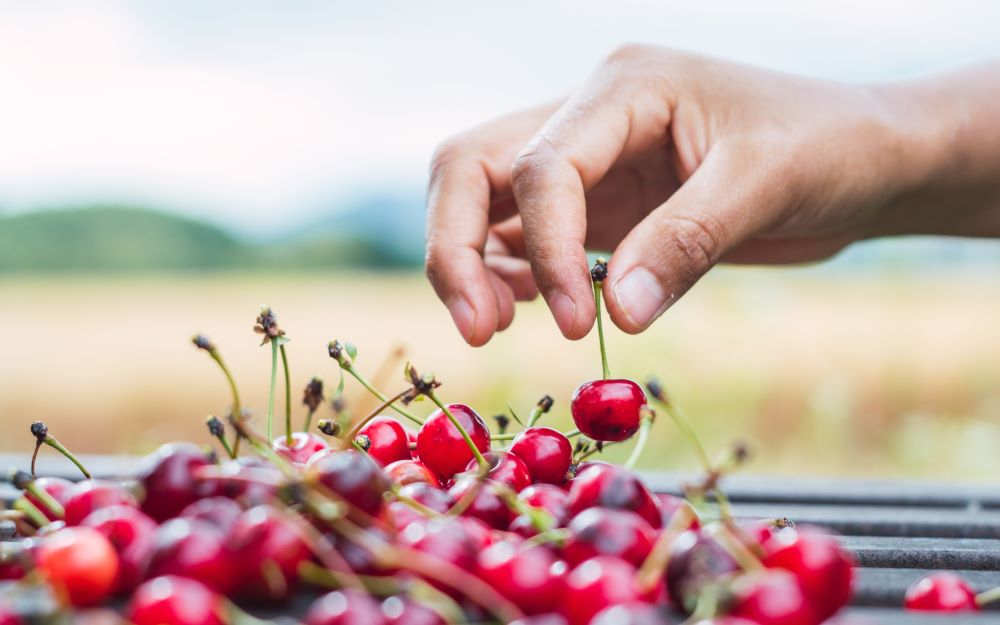
Observational studies show that people who regularly consume Montmorency cherries report fewer gout attacks (11). They contain particularly high amounts of anthocyanins, which are secondary plant compounds that have been studied for their antioxidant and inflammation-modulating properties.


Leave a comment
This site is protected by hCaptcha and the hCaptcha Privacy Policy and Terms of Service apply.